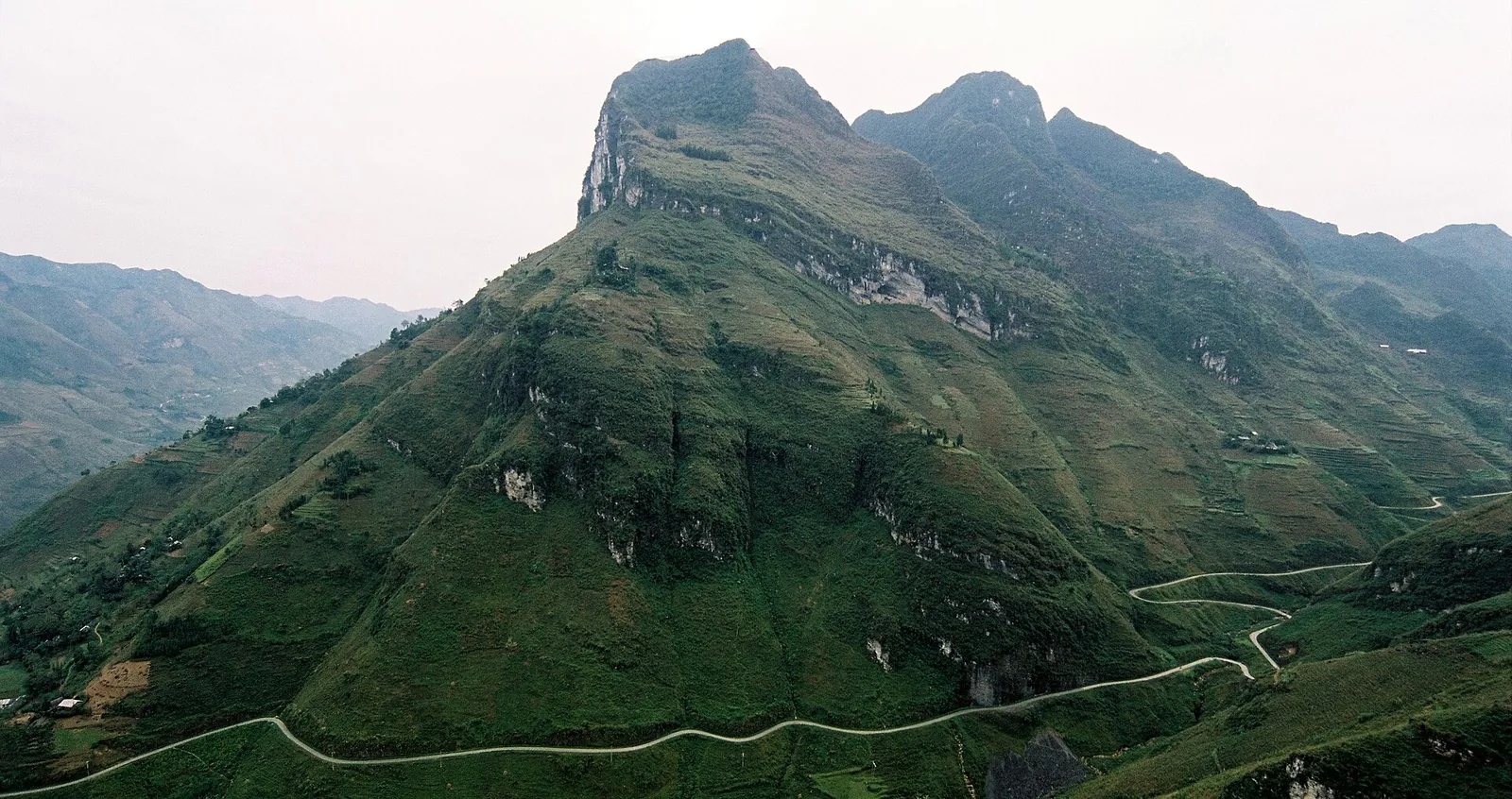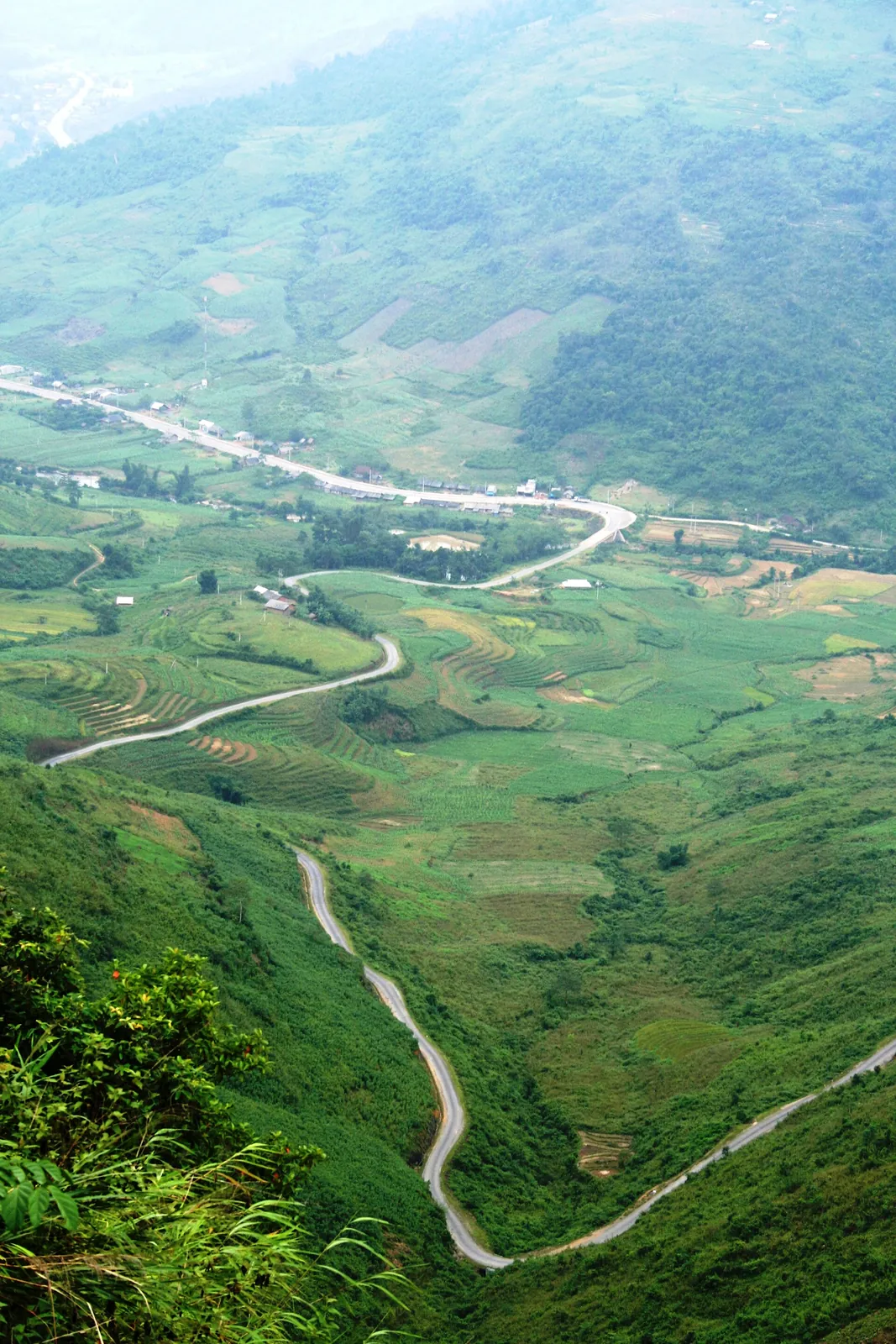
There is no single perfect month. Gold rice and buckwheat in autumn, misty passes in winter, green and quiet in spring, deep lush green in the rains. Here is the honest picture, so you can pick what you came to see.
Home › Best Time to Visit the Ha Giang Loop
People ask for the one perfect month, and the honest answer is that there isn't one. It depends on what you came to see.
The loop is beautiful all year, but it is a different mountain in each season. Autumn gives you gold and flowers and the clearest air. Winter wraps the passes in cloud and blossom. Spring is green and quiet. Summer is at its most lush, and its wettest. None of them is wrong; they are simply different trips, and the right one is the one that matches the photographs in your head.
Whichever window you pick, the route itself doesn't change: the same four days and four passes, ridden slow. If you're still shaping the dates, it helps to read the full 4-day itinerary and how people reach Ha Giang from Hanoi before you lock anything in.
Arguably the best window. Early in the stretch the rice ripens to gold across the terraces; from late October into November the buckwheat (tam giac mach) flowers open white and pink-purple on the high fields. Skies tend to be clearer and the air turns cool and easy to ride in. The trade-off is simple: this is the busiest time on the loop, so book ahead.
Cold and often misty or foggy on the passes, and sometimes genuinely cold up at altitude. The reward is the plum and early peach blossom and a quieter, more dramatic mountain, with low cloud spilling over the ridgelines. Come if you like atmosphere, but dress properly warm and expect the high viewpoints to disappear into white some mornings.
Spring brings the green back to the hills, with generally drier and more stable weather and noticeably fewer crowds than autumn. The riding is pleasant and the light is kind. If you want the loop close to its quietest while the conditions are forgiving, this is the easy recommendation.
The most lush the loop ever looks: deep green hills and water sitting in the terraces, with warm days. These are the rainy months, though, with heavier showers and a small chance of landslides on the mountain roads, which is exactly why a careful local guide, a flexible pace and good safety standards matter most now. We ride it gladly, just with our eyes on the sky.
If it's your first loop and you want the postcard, aim for September to November: gold rice early, buckwheat late, the clearest skies of the year. If you'd rather have the passes to yourselves, spring is the quiet, dependable pick. We won't oversell any month. Every season has its own loop, and we'll tell you plainly what yours is likely to look like.
In the cold, misty months and through the summer rains, a lot of travellers are happier warm and dry. That's when a private car tour earns its place: same viewpoints, same local guide, just sheltered from the weather over every pass. Tell us your dates and we'll point you to the option that fits the season, not the other way around.

We came in late October for the buckwheat and it was exactly as they described: pink fields, cold clear mornings, and our guide knew which valleys had bloomed first.Hannah K., Australia · October
It rained on us in July and I'd worried about that. The pace just bent around it. We waited out one shower over coffee and the green afterwards was unreal.Marco D., Italy · July
For most first-timers, late September through November is the strongest window: the rice ripens to gold, the buckwheat flowers come in late October and November, the air turns cool and the skies are usually clearer. It is also the busiest stretch. If you'd rather have the passes quieter, March to May gives you green hills, generally stable weather and far fewer riders.
The buckwheat (tam giac mach) flowers usually bloom from late October into November, drifting from white to pink-purple across the high fields around Dong Van and Lung Cu. Exact timing shifts a little year to year with the weather, so message us before you fix your dates and we'll tell you how the fields are looking.
June through August is the wet season. The landscape is at its most lush and the terraces hold water, but showers are heavier and there's a small chance of landslides on the mountain roads. We ride it carefully, with a flexible pace and a local guide who reads the weather day by day.
December to February is cold and often misty on the high passes, and it can be genuinely cold at altitude. It's not too cold to ride if you dress warm and accept low cloud, and the plum and early peach blossom can be lovely. Many travellers in these months prefer the private car, warm and dry over every pass.
The terraces are deep green through the lush summer months of June to August, when they hold water. They turn gold as the rice ripens, usually from around mid-September into October, one of the most photogenic windows of the whole year.
A real person reads every message, usually within 15 minutes. Send your travel window and we'll say honestly how the loop is likely to look, and which way to ride it.